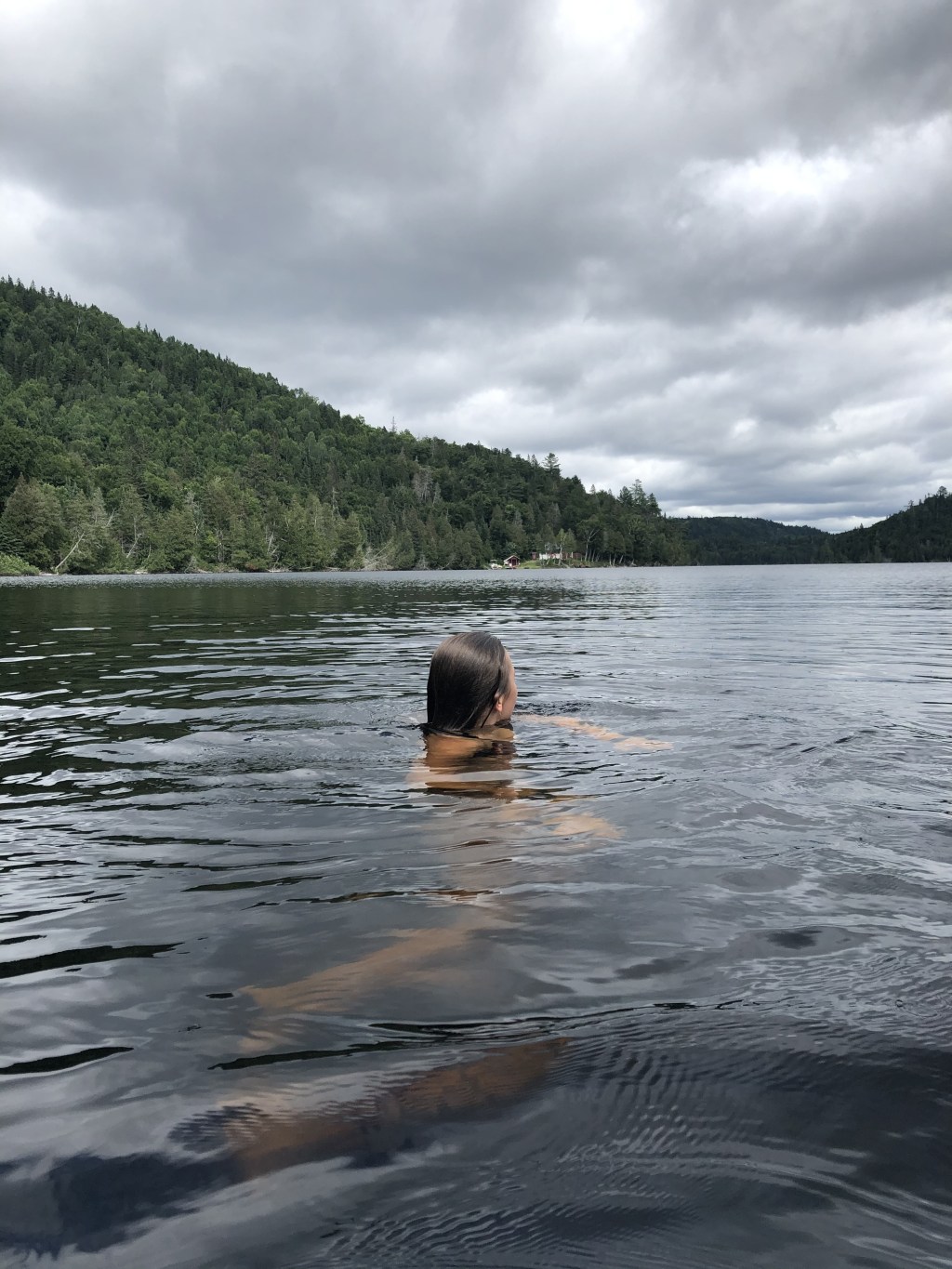
Okay, so I’ll start off by saying this post is going to be a little bit different. I’m kind of incorporating this into a final assignment for one of my university classes, as my first semester comes to an end. I took an Anishinaabe studies type of course this semester, as I live in an area surrounded by Indigenous culture, so I thought I’d take advantage of the courses offered. Anyway, the assignment itself is supposed to be creative, and personal, relating a personal story or experience to the things discussed in the course. So, I decided for that project that I would talk a bit about growing up around Lake Superior, my relationship with nature, and how learning about Anishinaabe culture has made me look at things.
It’s not a secret that I love being outdoors and exploring what the planet has to offer not too far away from me. I love a good afternoon hike, or trying to find the best new swimming spot.


I grew up being around the water and learning how the land works. Learning about the lake, where the best places to fish are, what animals come around at each season, and more. I’ve learned through experience about things that can’t be so easily taught verbally. Like the best way to climb a tree, or effective ways to start a bonfire.
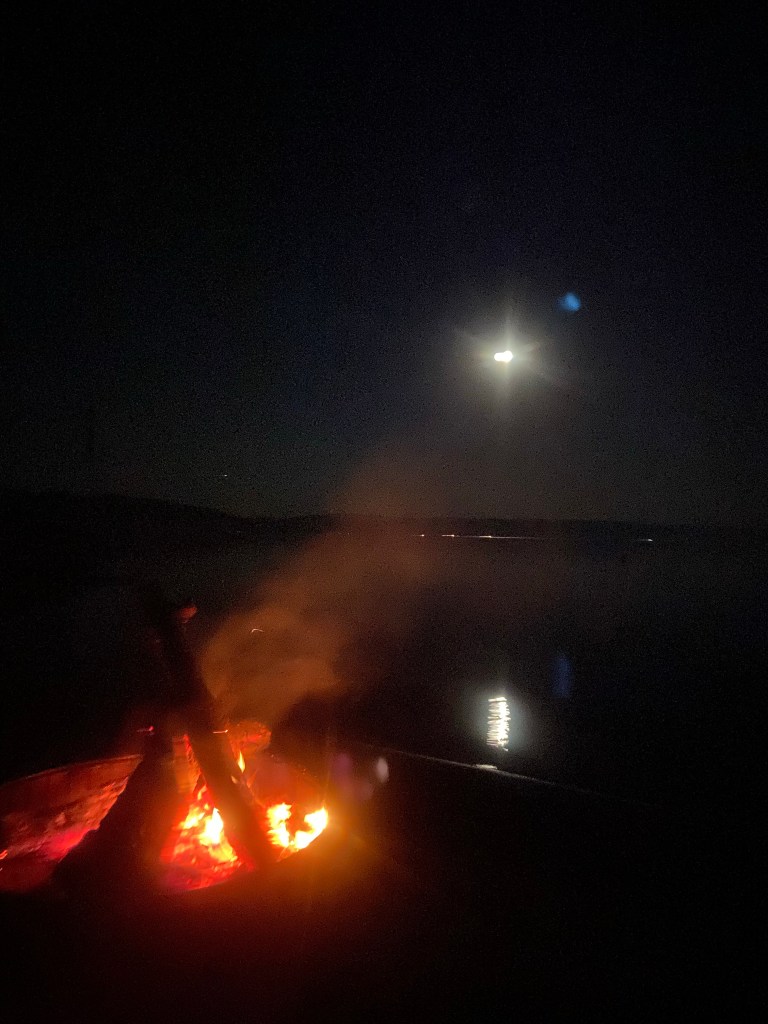
Safe to say I also learned primarily from the people around me. While I picked up knowledge from the land and water itself, there are things that you can only learn from other people. My dad would tell me about the water currents, and stories from his younger years around the area. He taught me about the different wildlife, such as eagles that would occasionally fly overhead, or what animal belonged to a footprint we spotted in the ground. My mom would teach me about gardening – which plants like the sun, and which ones like a darker area. We talked about lifecycles, and when the best time of year was for certain plants, like blueberries in mid-summer.
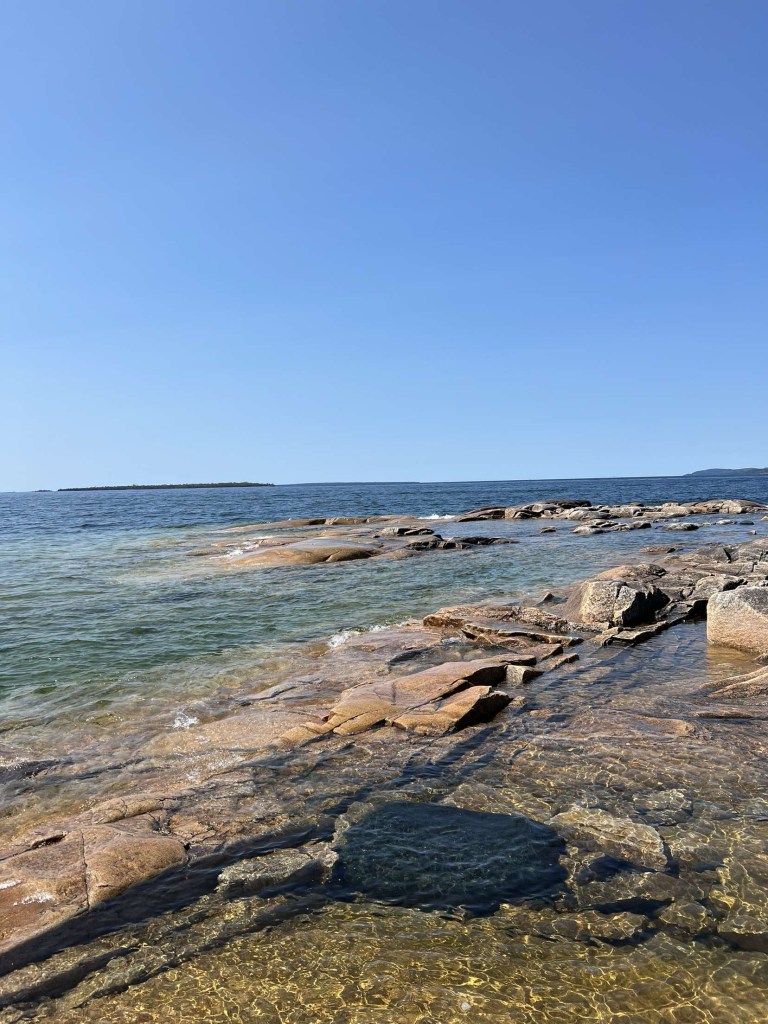
What I’m getting at here is a concept we talked about in class called “knowledge transfer”. The idea is that everything we learn is learned through something else. Think about it as much as you like, but even if you think you learned something completely on your own, there is something, whether living or not, that taught you. “Knowledge transfer” is wisdom being shared from one thing to another. Our learning is so heavily influenced by those things around us, positive or negative. In this class, my professor, Liz, shared her own family’s experiences of learning through tradition, but also the negative impact that residential schools had on her older relatives. This went to show me that as I stated before, the knowledge we have and the ways we use it stems from everything, big or little, that happens around us.
Liz also focused a lot on grounding and intentions. She talked about how important these concepts are in the Anishinaabe culture, and how they really contribute to living “the good life”. Grounding can be any way that you take the time or do something for yourself, purely out of desire to do it and in a sense get in touch with who you are on the inside. It would be a bit long to go into “who I am as a person” in the not-so-many sentences I have left before I start boring people, but I can say that working on grounding has made me think about the things that make me, well, me. In addition to getting outside, I love reading a good book, decorating, cleaning my space (yes Mom, believe it or not), baking, cooking, being with my people, and creating. I hope it’s evident that I like writing, which gives me the sense of putting my own thoughts into something that other people can read. Intention goes hand in hand with grounding, meaning putting thought into the things you do and considering the reasons why. I think everyone has a general understanding or definition of the word “intention,” but once again, after really thinking about it you can dig deeper. Intentions are behind absolutely everything we as human beings do. You might have to really dig to find it, but intention is always there. That being said, it’s important to think about the things that we do and why we do them. Thinking about our intentions and gearing them towards good can help us be the best we can be.
All in all, looking back on my personal growing-up experience, I’ve been able to relate things like grounding and knowledge transfer to that to think about who I’m becoming as a person. Practicing grounding has made me think on a higher level about the things I like and where I feel most comfortable. I’ve been able to get in touch with myself better by looking at the things I draw to the most. On the whole, I’ve learned a lot about Anishinaabe culture and how applying grounding and intention is a big part of it. The goal with these is to “aid” in the journey of achieving an ultimate goal – The Good Life. The Good Life is what you want it to be, so long as it leaves you in a place where you feel you belong.
This was a longer post than usual, that’s for sure, but maybe it can leave you thinking about your own intentions, and what you best connect with.

 Outdoors With Eden